Project-specific development
Custom Flexible Stone Panels
Updated
Develop custom flexible stone panels through a review of colour, texture, size and project packing. Define the change you need, then approve the physical sample and written details before bulk production to avoid repeat sampling or cutting rework.
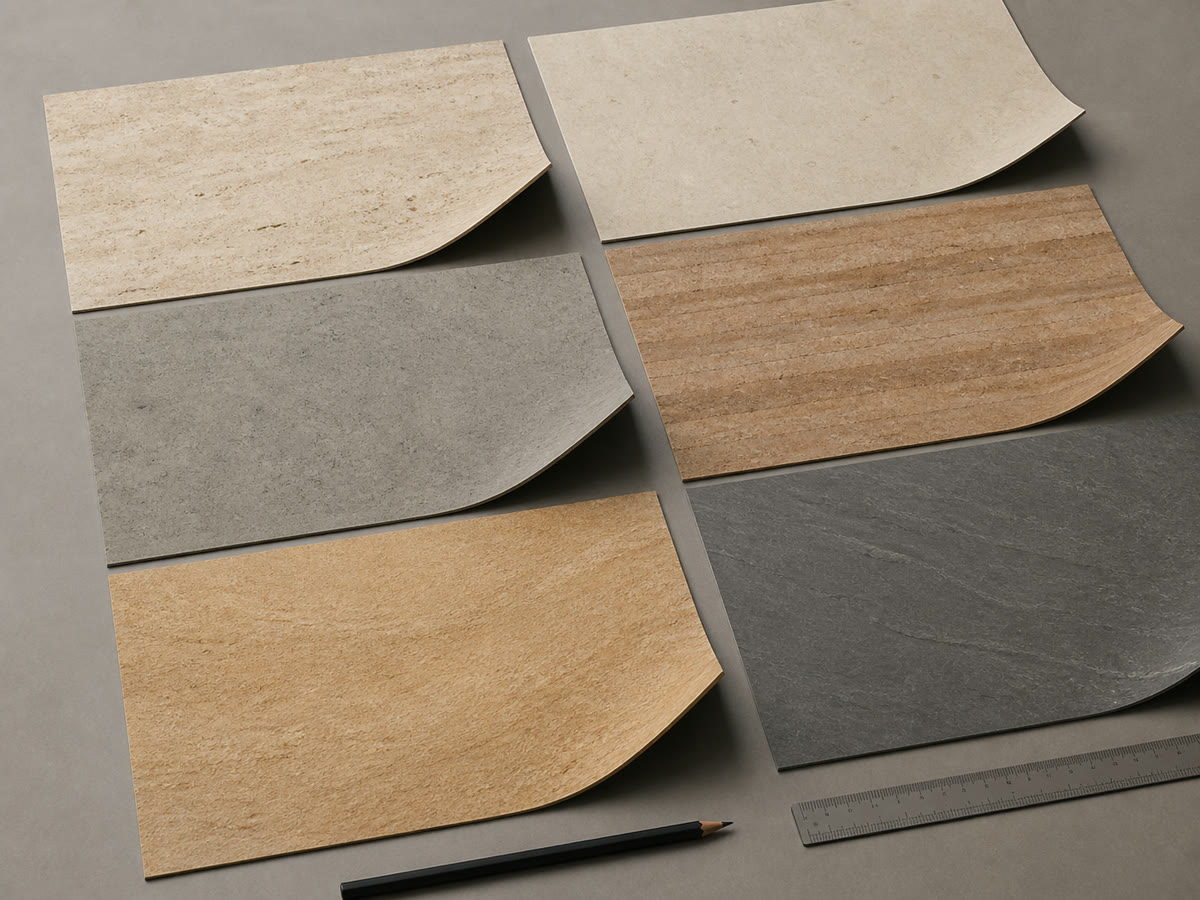
Choose standard samples or custom development
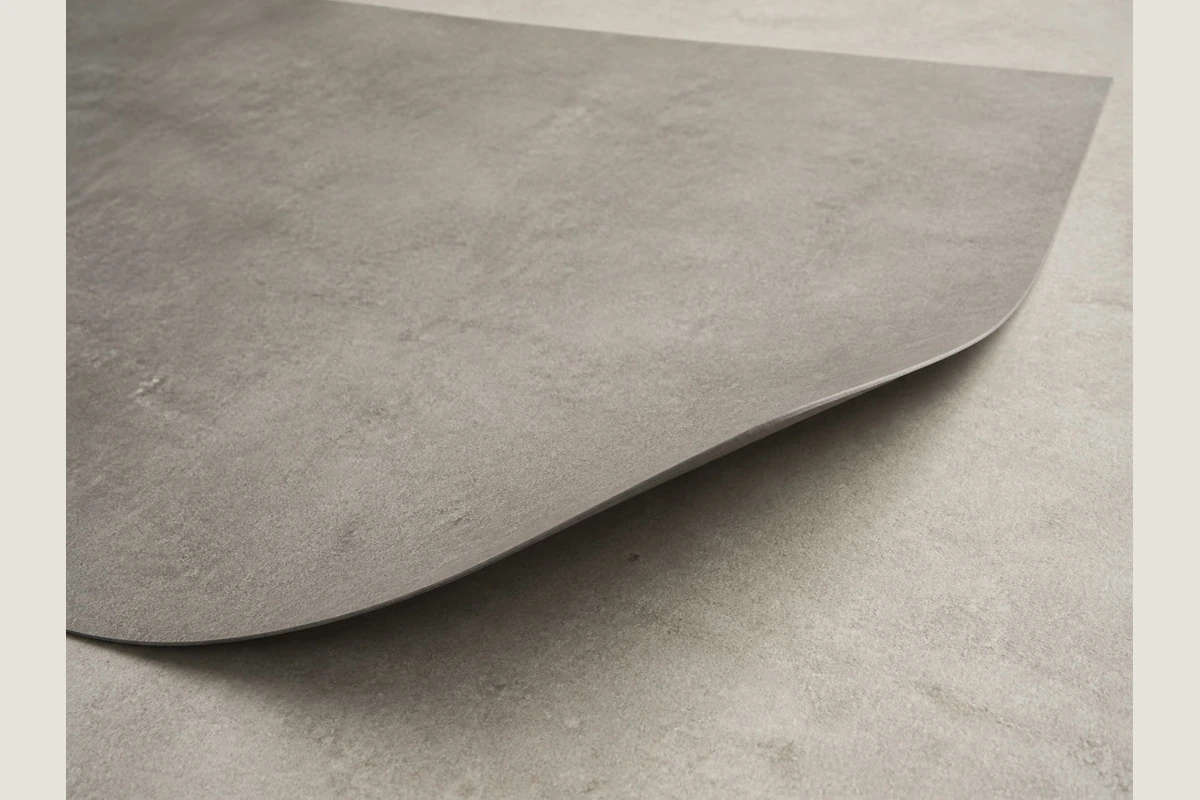
Start with a catalogue sample if an existing finish meets your brief. Send a custom inquiry if you need a change to colour, texture, sheet format or packing. Our panels are an engineered clay-mineral composite (MCM) decorative wall finish; exterior use remains subject to project approval.
Scroll the table horizontally to see all columns.
| Route | Choose it when | Mismatch risk and prevention |
|---|---|---|
| Catalogue samples | The finish exists and you need to review it in person | Photo-to-material mismatch: review the sample under project lighting before selection. |
| Custom development | Colour, texture, size or packing needs a change | An evolving brief: identify the change and approve the sample and written details. |
Browse catalogue finishes · Request standard samples · Send a custom development request
Define what to develop and what to approve
Separate each requested change in the project brief. We review feasibility and development scope before pricing; available dimensions, texture limits, minimum quantity, development charges and timing are confirmed for the specific request.
| Development item | What you send | What must be confirmed |
|---|---|---|
| Colour | Physical sample or material palette with the requested colour identified | The identified physical sample used as the colour reference |
| Texture | Surface reference and pattern direction | Depth and distribution confirmed as producible |
| Size | Dimensioned drawing, wall grid and cut plan | Confirmed supply size and layout for the selected product |
| Packaging | Area grouping, order lines and destination | Written protection and labelling requirements |
Connect the requested format to the wall grid before approval. Review size, thickness and weight information and include the drawing with your cut plan.
From reference to written approval
A reference image starts the development review. Keep the approved physical sample and written order details as the references for bulk production.
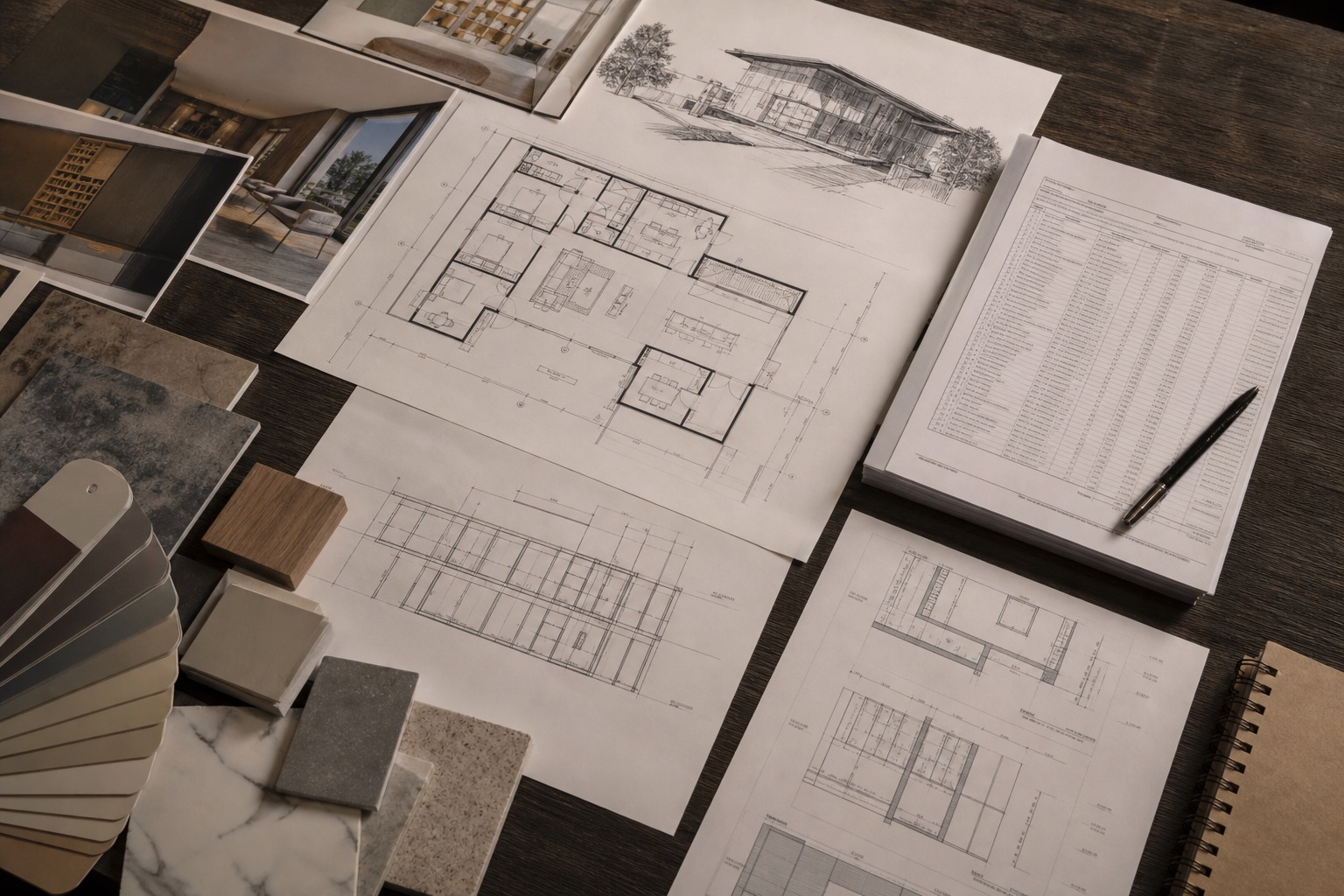
- 1.Reference review: send the image, sample or drawing and describe the requested change.
- 2.Scope review: we review what can be produced and which variables need agreement before pricing.
- 3.Sample review: examine the physical sample under project lighting and at the intended viewing distance.
- 4.Order confirmation: approve colour, texture, size and packing in writing before bulk production.
Common mistake: approving production from a reference photo alone. Record the sample reference and approved revision, and reconfirm the affected details if the colour or wall layout changes.
Specify packing with the order
Include protection, labels and area grouping in the written order. Identify which finishes belong to each zone and give the destination, then confirm packing requirements before bulk production.
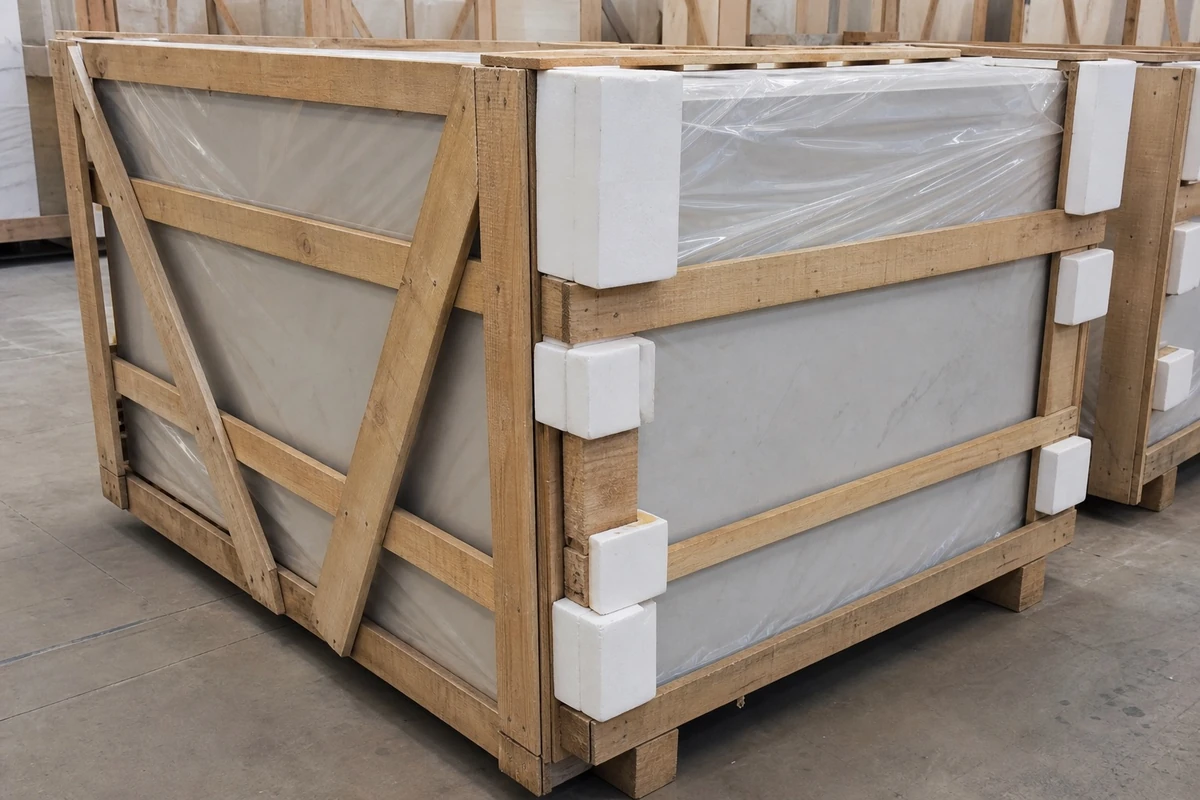
When comparing quotations, identify the sampling, cutting and packing scope in each offer so that any repeat sampling, cutting or repacking is visible. Review packing and shipping requirements.
Project questions
Should I request standard samples or custom development?+
Start with catalogue samples for an existing finish. Request a custom review when colour, texture, size or packing needs a change.
When are colour, texture, size and packaging confirmed?+
Define the development scope before pricing, then review the physical sample and confirm the details in writing before bulk production.
Can a reference photo approve production?+
A photo starts the review. Production approval requires the physical sample and written confirmation of the details.
What to send us
Scroll the table horizontally to see all columns.
| Item | Why we need it | Example format |
|---|---|---|
| Finish reference and requested change | Identify whether an existing finish fits or development is needed | Catalogue link, reference image or physical sample with notes |
| Wall application and environment | Review interior or project-approved exterior wall use | Space description, wall photos and substrate information |
| Area and quantity | Define the order scope | Quantity schedule with units for each area |
| Wall grid and dimensions | Review supply format against the wall layout | Dimensioned drawing with joints and pattern direction |
| Packing and labels | Discuss protection and area grouping | Written requirements by order line or zone |
| Target schedule and destination | Discuss development sequence and delivery scope | Requested sample/order dates, city and country or port |
We reply within 24 hours.
Send your project detailsMethod and sources
The development steps follow the published HeyMaterials custom, sample and project-quotation process. The public scope of ASTM D1729-22 concerns visual colour appraisal of opaque materials under diffuse illumination. It is a visual-review reference here; sample acceptance conditions are agreed for the specific order.
ASTM D1729-22 · Sample process · Project quotation scope
Sources checked and content updated on 18 October 2026.