Flexible Stone Maintenance & Care
Choose a care method for your flexible stone wall: identify the finish and sealer, check the care note, test locally and document stains or damage before treatment.
Updated
The wrong cleaner can leave a permanent change in colour or sheen. For flexible stone maintenance, identify the finish and any existing sealer, read their care instructions and try the permitted method on spare material or a hidden area before cleaning the visible wall.
Care starts with the finish
Match the wall, its care note and the products already used.
Identify
Trial
Record

Before You Choose a Cleaner
Use the product reference and the existing care documents to decide what can be tried. General stone-care advice does not establish compatibility with every flexible panel, backing or coating.
- Find the product code, finish and order reference. If you are still selecting a product, start with the flexible stone collection.
- Identify any sealer and cleaners already used. Keep their labels and available instructions; mark missing information as unknown.
- Check the named finish and sealer instructions together. Confirm an allowed method before a local trial.
- Record the trial location and result. Stop treatment if the surface changes or the method is not documented, and send photos for review.
If the sealer is unknown, ask the installer or check the handover records before adding another product. A new coating can change the appearance or conflict with an existing treatment.
Routine Cleaning and a Controlled Trial
For routine care, follow the finish and sealer instructions. Where they allow it, remove dust with a soft cloth, use a neutral cleaner with warm water, then rinse and let the wall dry. Follow the cleaner's own dilution and application instructions. The Natural Stone Institute's care guidance supports neutral cleaning and soft cloths as general natural-stone practice.
A cleaning trial records one finish, one product and one method; it does not approve the whole wall. Use an offcut of the same finish, or an inconspicuous area permitted by the care note. Record the product label, dilution used under its instructions, tool and location. Compare colour, sheen and texture after drying before proposing wider cleaning.
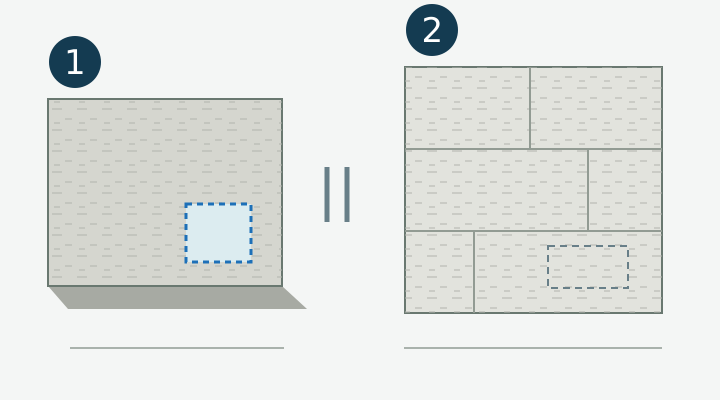
Do not introduce acids, solvents, bleach, abrasive powders, wire brushes or scouring pads into the routine without explicit approval for the named finish and treatment. Keep steam heads and pressure jets off interior panels. A stubborn mark is a reason to check the method rather than increase chemical strength or scrubbing force.
Stains and Damage: Choose the Next Action
Blot fresh splashes promptly with a soft absorbent cloth. Use only the care method allowed for that finish. Persistent stains, cured residues and physical damage need their own review before treatment.
| Condition | Next action | Dominant Failure Mode & Prevention |
|---|---|---|
| Loose dust or a fresh splash | Follow the documented routine and record any remaining mark | Abrasion or spreading the splash: use a soft cloth and avoid forceful scrubbing |
| Grease or a persistent stain | Photograph it and identify the likely substance; confirm any specialist cleaner before an offcut trial | Discolouration or coating damage: do not assume a household degreaser is compatible |
| Cured paint, adhesive or grout residue | Send photos and the residue/product information before removal | Gouging the face or damaging a coating: confirm a finish-specific removal method before scraping or using solvents |
| Cloudiness, recurring darkening, a chip or a loose edge | Stop remedial cleaning; record the location and ask the installer or supplier to review | Repeated treatment can obscure the cause or add damage: preserve the condition record before repair |
The installation troubleshooting guide can help organize an issue report. Any treatment still needs confirmation for the actual finish and wall assembly.
Review Sealed Surfaces Before Recoating
A change in water beading alone does not establish that a wall needs resealing. Record easier staining, darkening when wet, or changes in sheen and texture; compare those observations with the existing finish and sealer instructions before choosing any treatment.
An annual look-over can be a useful reminder to record changes, but it is not a recoating interval. The selected finish, existing product and exposure determine whether a further coating is appropriate. Ask for the relevant care note and compatibility confirmation if the record is incomplete. See joints and sealing for the distinction between surface treatment and joint details.
Repairs and the Photos to Send
Keep spare panels from the original batch and the associated product labels. A replacement's visible match depends on the actual colour, texture and surrounding wall; original-batch material does not guarantee an invisible repair. Confirm the cause and repair method before removing a panel.
Pair a wall overview with a close-up of the same affected spot. Include the date first noticed, any cleaning or coating already attempted, and whether the wall is indoors or in an approved exterior application. Follow the warranty and product-documentation process for order references and available installation records.
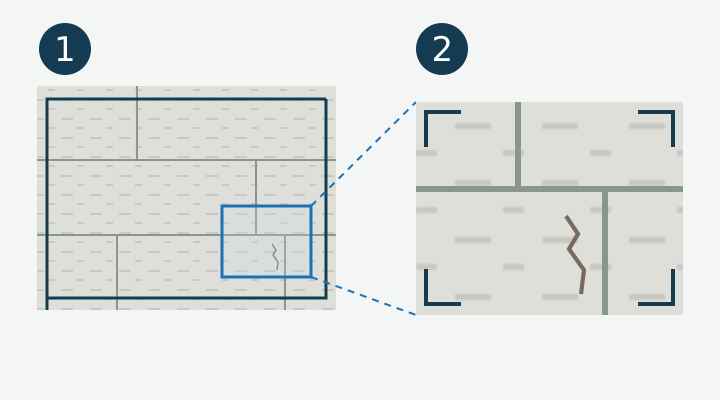
Log changes in the maintenance checklist. For a care contract, use the maintenance budget input sheet to separate routine visits, access and consumables from conditional repair or treatment. Populate it with project requirements and local quotations, rather than assuming a universal cleaning frequency or resealing allowance.
Still choosing? Request physical samples with the finish reference and proposed cleaner information so you can agree a trial before ordering. For a replacement supply enquiry, send the product reference and wall photos with your quote request; replacement suitability and appearance need review.
Method and Sources
Updated October 2026. This guide follows the existing finish-specific care boundaries on this page and the order-reporting process in Warranty & Product Documentation. The Natural Stone Institute care guide, checked on 18 October 2026, provides general natural-stone cleaning background. Its specialist chemical and restoration methods do not approve treatment of a flexible panel system. Use the documents for the named finish, existing sealer and wall assembly to confirm the method.
What to send us
Scroll the table horizontally to see all columns.
| Item | Why we need it | Example format |
|---|---|---|
| Finish or product reference | Identify the sample or product to quote | Product link or reference photo |
| Cleaning or sealer information | Identify the products already used on the finish | Product labels and available instructions |
| Condition and timing | Record the reported change | Photos, date noticed and exposure notes |
We reply within 24 hours.
Send your project details