Share the brief
Send the intended space, area, target look, substrate and project location.
Flexible Stone • Wholesale Supply • Samples Available
WhatsApp +86 15338888949MCM flexible stone · wholesale & project supply
Updated
Choose a commercial series or browse by finish, then confirm a physical sample for your wall. A finish name starts the search; a product reference makes the sample and quotation traceable.
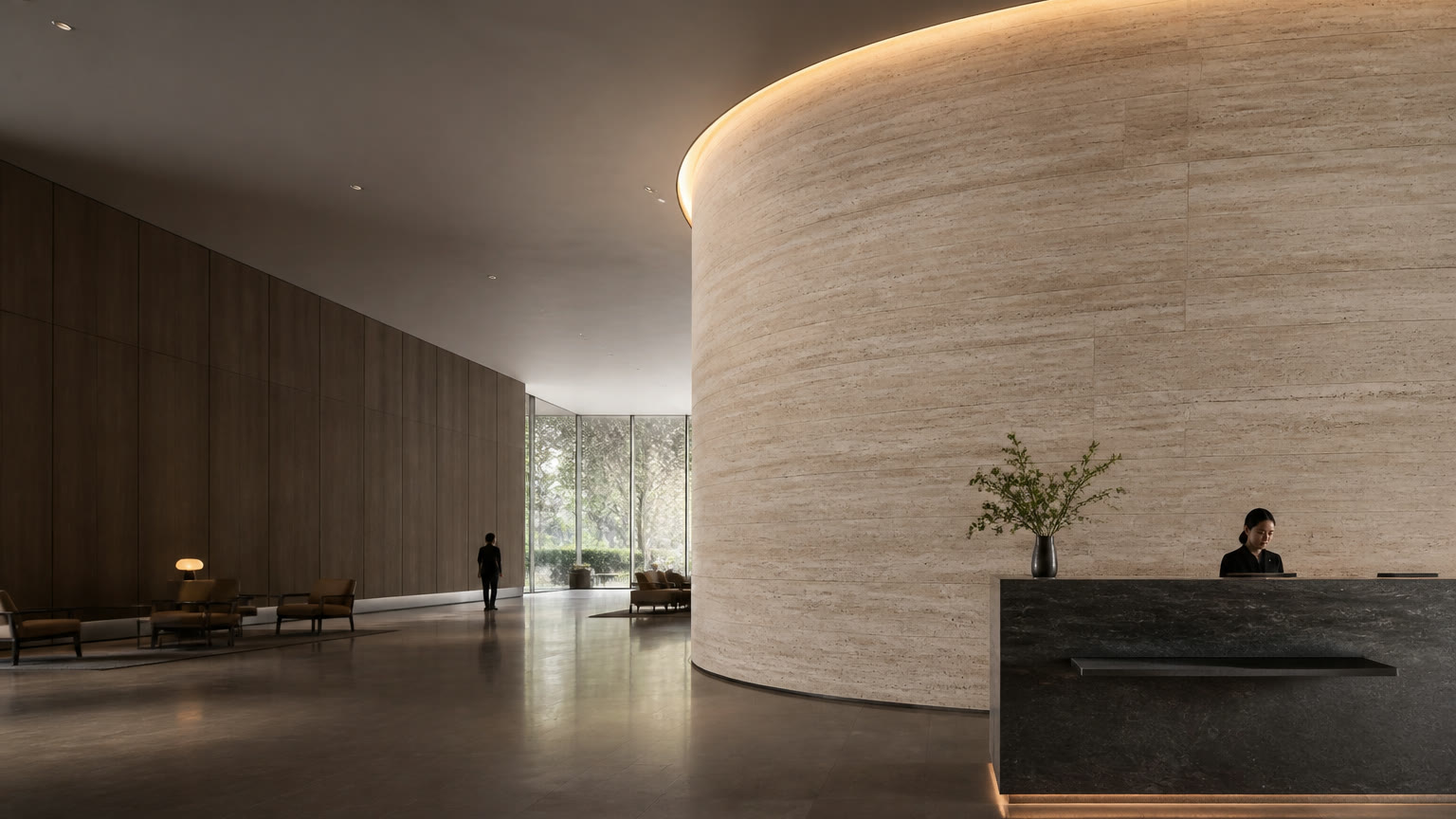
The six finish directions are discovery paths, not additional sales series. Sizes and thicknesses belong to the selected product.
Scroll the table horizontally to see all columns.
| Commercial series | Surface direction | Selection failure & prevention | Next step |
|---|---|---|---|
| Architectural Texture Series | Relief, linear, woven, wood-grain and mineral looks | Relief can read differently under wall lighting. Compare the physical texture and direction on samples. | Review samples and product reference |
| 3D Printed Natural Stone Texture Series | Printed travertine, slate, rammed-earth and stone-pattern looks | A screen crop can hide pattern scale. Review the selected reference across adjoining sheets. | Review samples and product reference |
| Decorative Art Series | Decorative mineral, rust, wood and artwork patterns | A pattern name does not fix the wall layout. Confirm artwork direction and joint positions with the sample. | Review samples and product reference |
HeyMaterials flexible stone is an engineered decorative surface made from a clay-mineral composite system, commonly described as MCM. It creates designed mineral looks in a thin, flexible cladding format. It is not natural stone, and it should not be specified as a one-to-one replacement for stone slabs or structural masonry.
Flexible stone over tile cost scope compares cover, local repair and removal on a dry-area tile wall.
Product series
The sales catalogue is organised into Architectural Textures, 3D Printed Natural Stone Textures and Decorative Art. Colours, sizes and thicknesses remain variants of each product.
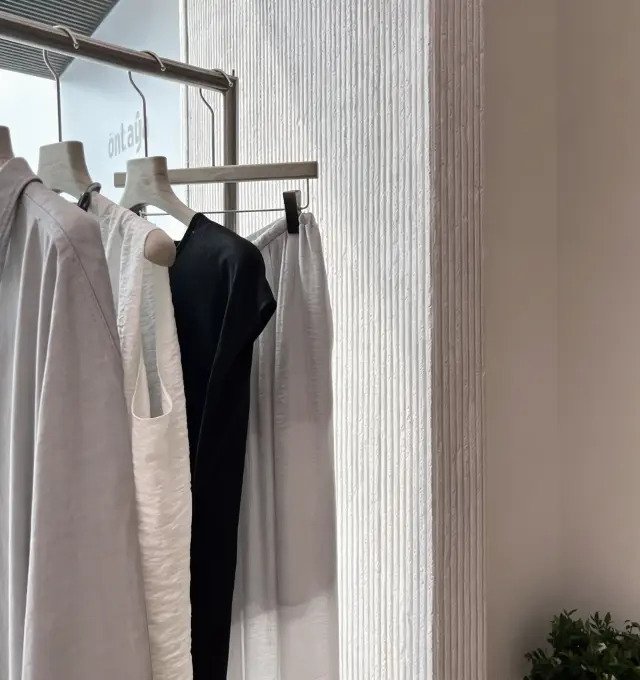
Flexible MCM wall panels in dimensional, linear, woven, wood-grain and mineral looks, supplied for interior walls and project-approved exterior wall cladding.
View series →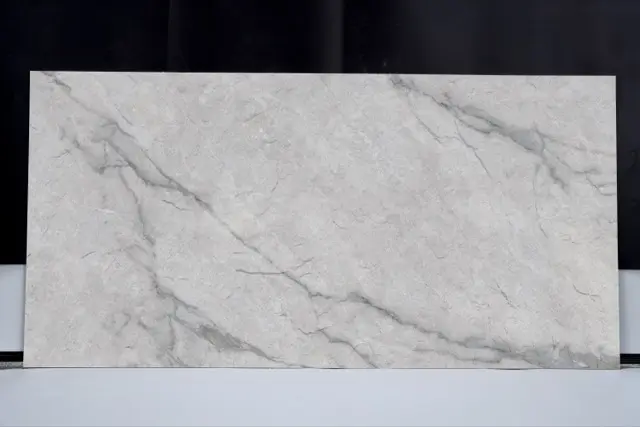
3D inorganic printed flexible-stone finishes with selectable travertine, slate, rammed-earth, rough-granite, linear and stone-pattern directions.
View series →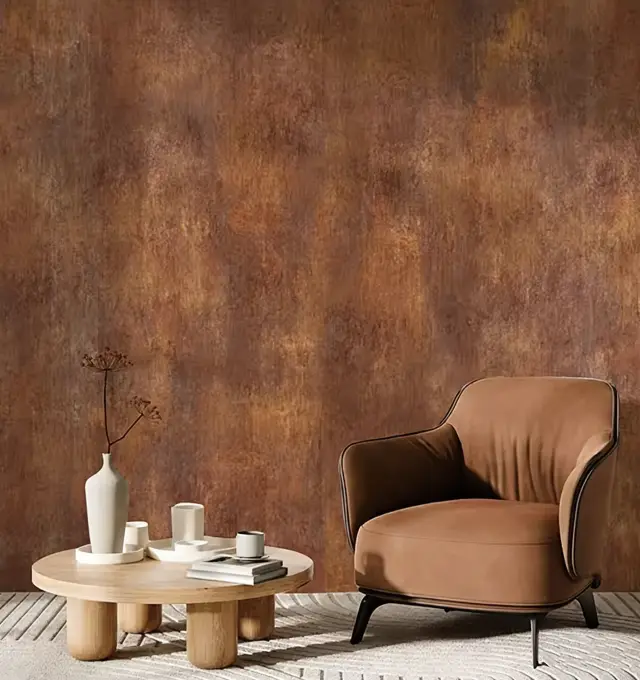
Premium printed decorative flexible-stone finishes in travertine, slate, rust, rammed-earth, wood, star-moon, chiseled, mosaic and basalt directions.
View series →Browse by visual direction
These are finish-led discovery pages, not separate sales series. A product can appear under a relevant look while still belonging to one commercial series.
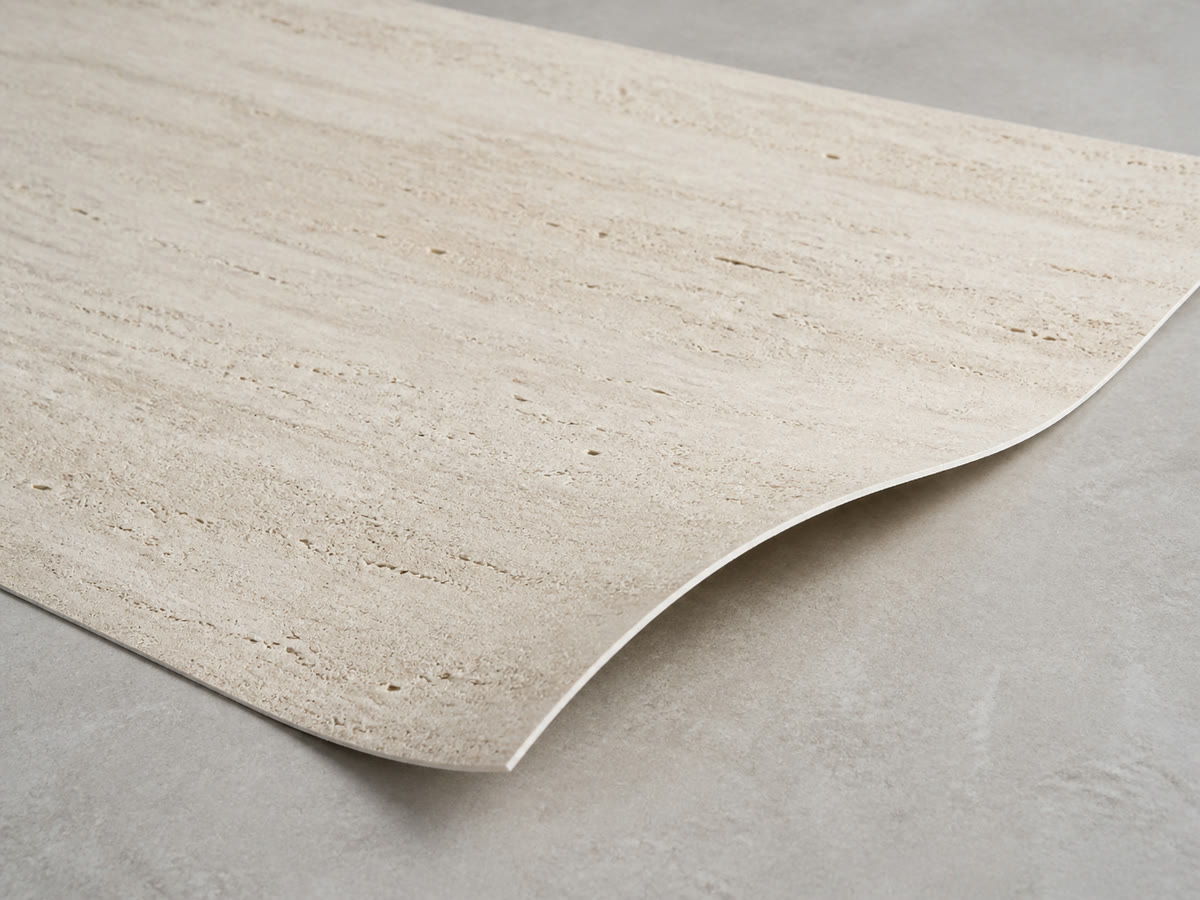
A warm, linear mineral finish inspired by the open grain and tonal movement associated with travertine. It is an MCM flexible-stone surface, not quarried travertine.
Explore finish →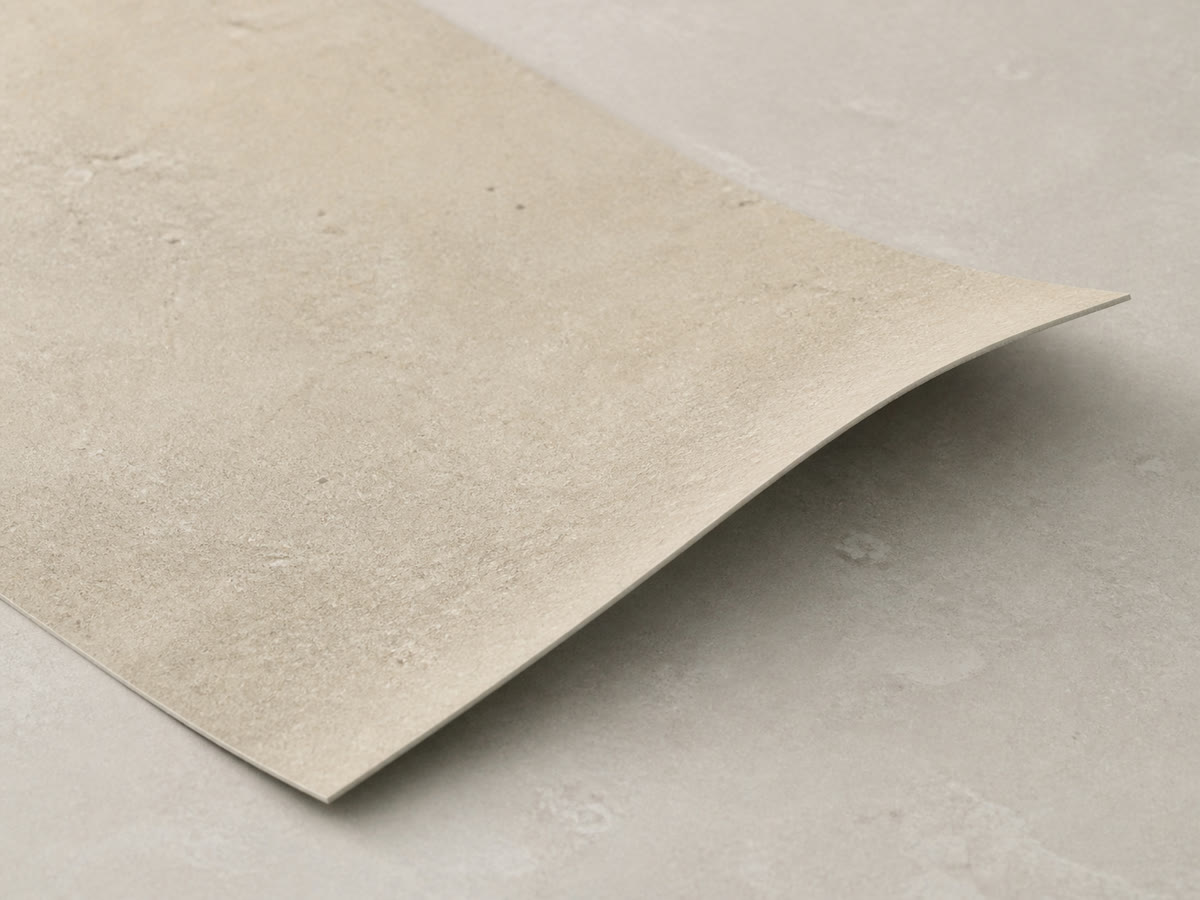
A quiet, fine-grained flexible-stone finish developed for understated architectural surfaces. It references limestone visually while remaining a distinct MCM material system.
Explore finish →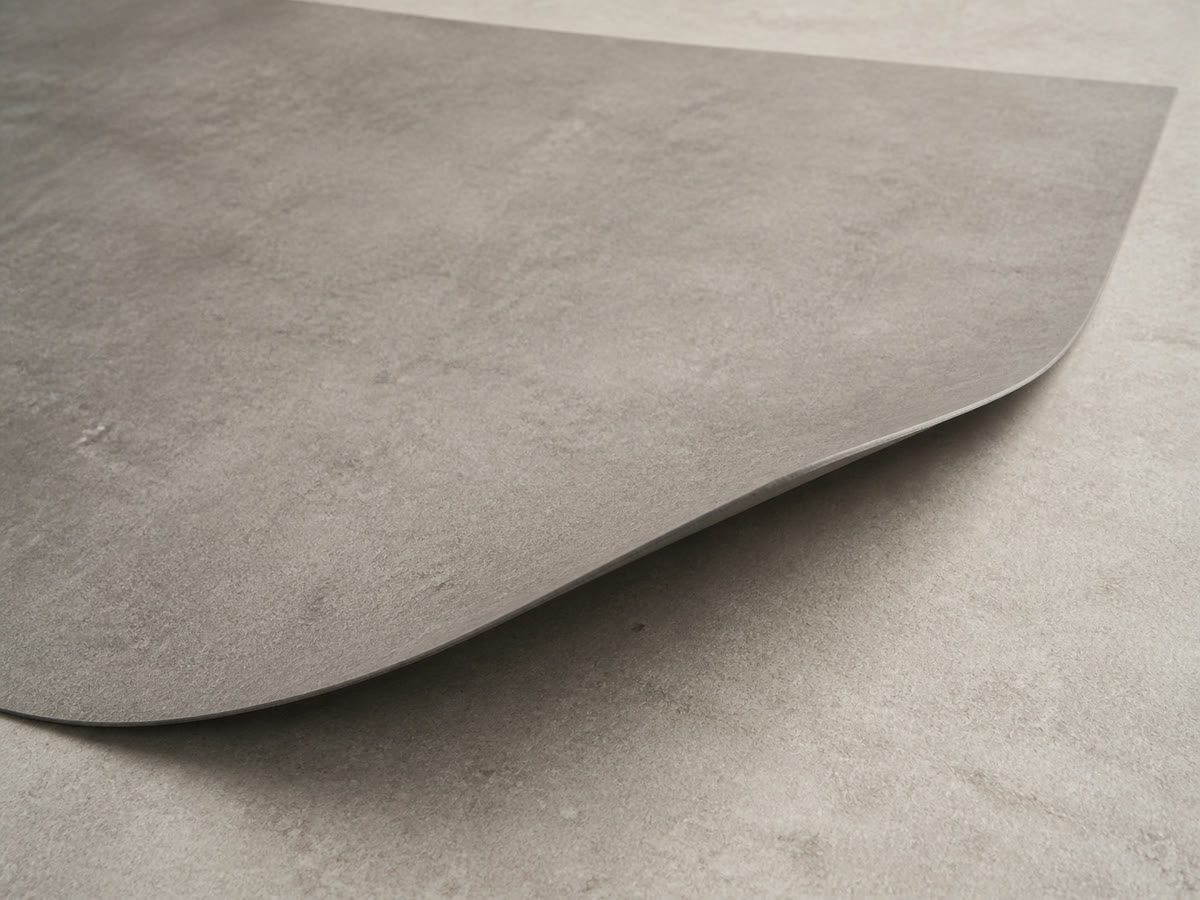
Concrete-look MCM wall cladding for interior feature walls and approved projects. Compare SKU formats, approve a physical sample, then request a quotation.
Explore finish →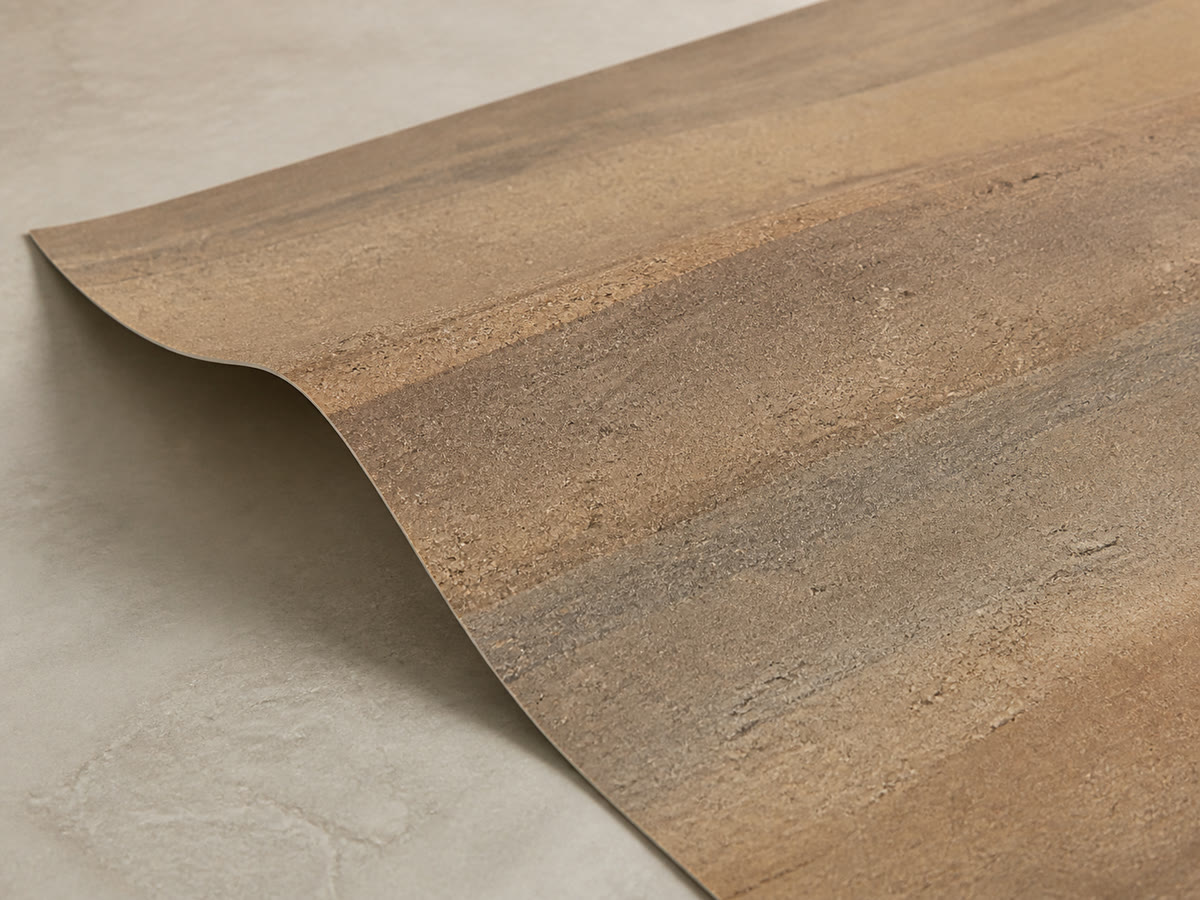
A layered, earth-toned MCM flexible-stone finish inspired by the horizontal strata of rammed earth. It is decorative cladding, not a load-bearing earth wall.
Explore finish →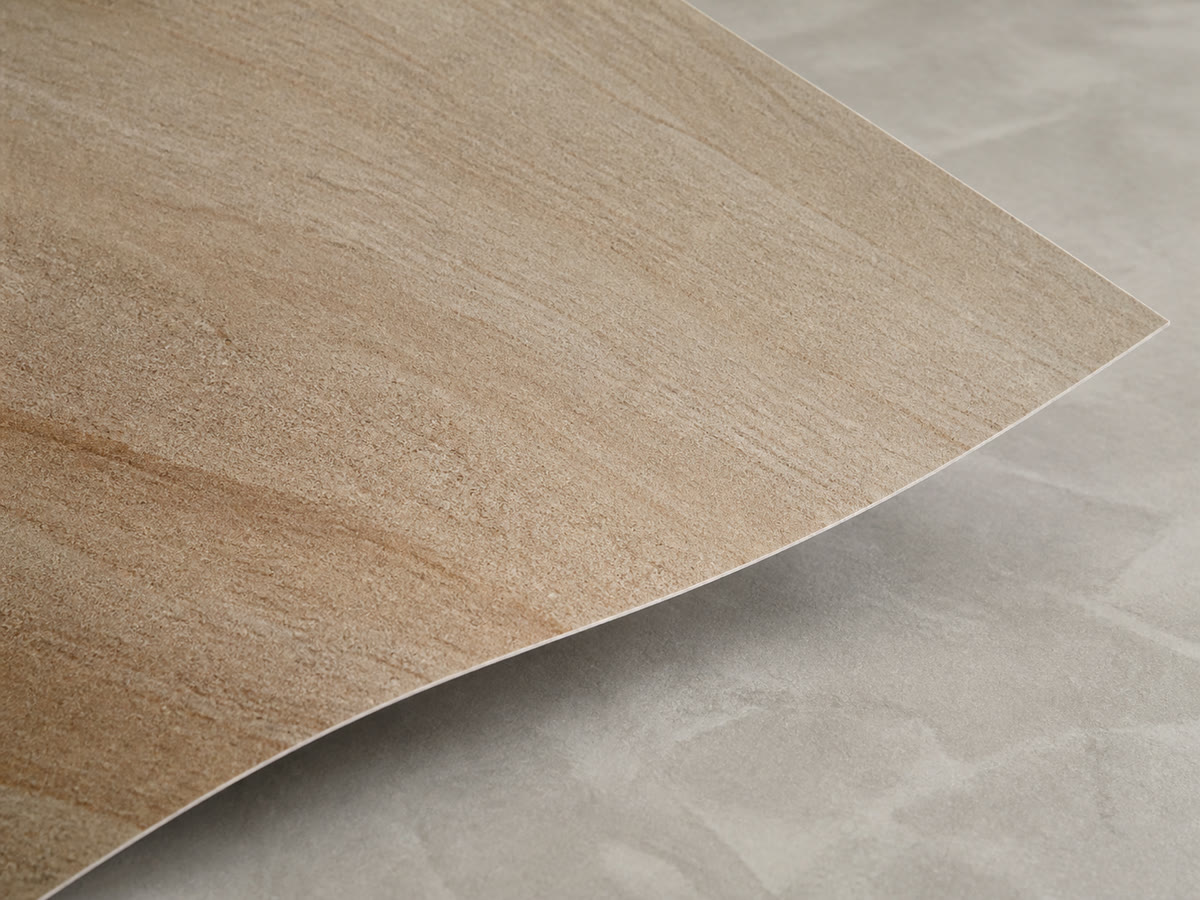
A softly layered flexible-stone finish with sandy colour movement and a tactile mineral character. It is an engineered MCM product, not a slice of natural sandstone.
Explore finish →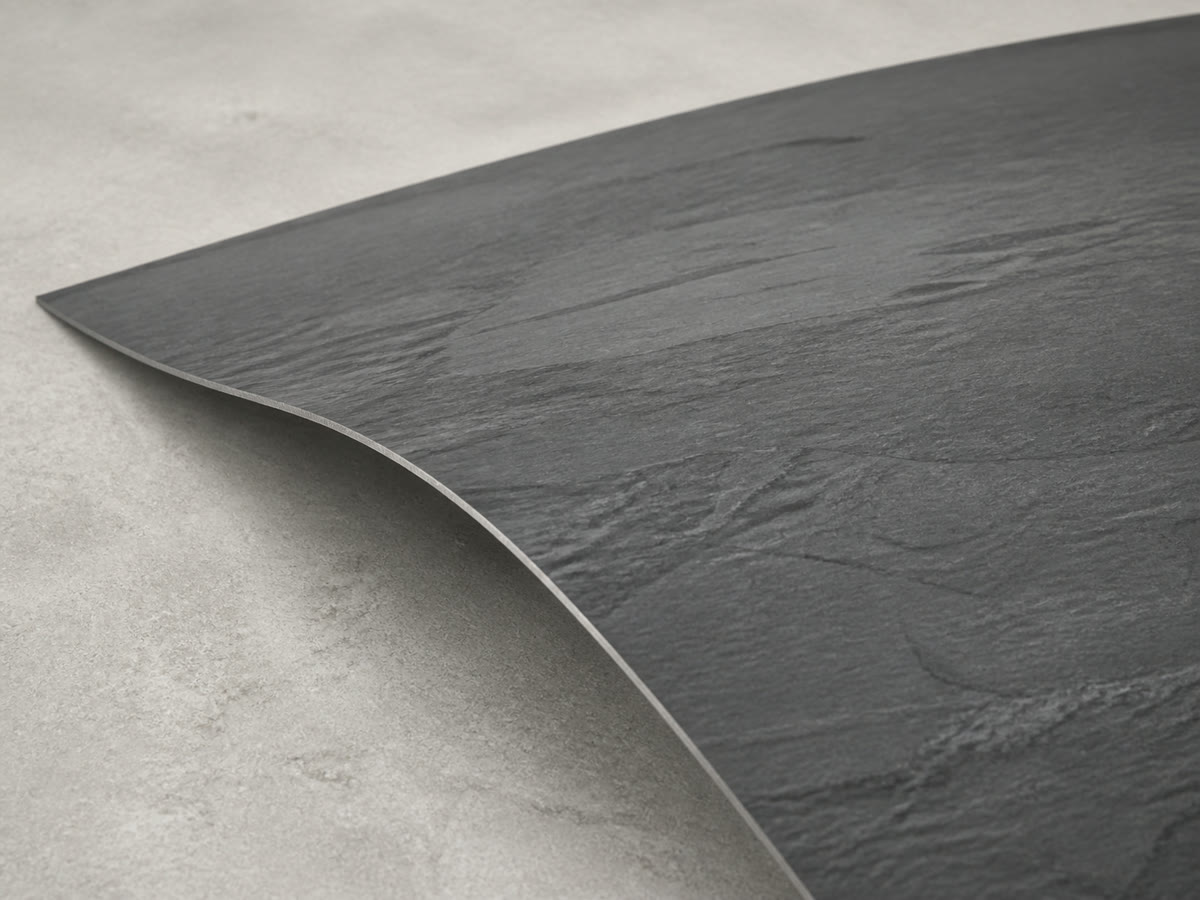
A darker, layered flexible-stone surface developed for the directional character associated with slate. It is an MCM finish, not split natural slate.
Explore finish →Start with the look you want, then request the product reference, series, colour and proposed format. If the product is undecided, send a reference image and say so. A physical sample confirms the appearance; wall suitability also needs a review of the substrate and installation details.

Place samples beside each other in the proposed installation direction. Rotating a sheet can change the grain direction at a joint. Record the preferred orientation and joint detail with the sample reference, and request a multiple-sheet review of the chosen design before approving the overall composition.
For a curve or exterior wall, send a drawing and wall photos for confirmation of the selected product and assembly. A series name alone does not establish a bend radius or exterior approval.
Send your reference for a sample shortlist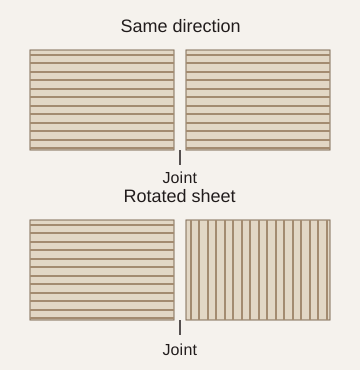
Project workflow
Send the intended space, area, target look, substrate and project location.
Compare colour, scale, direction and sheet-to-sheet movement using physical samples.
Review product referencesAlign the selected finish with substrate preparation, joints, edges and the intended environment.
Review adhesive and substrate requirementsConfirm quantity, active sample, packing requirements and delivery destination for the quotation.
Ready to compare? Request flexible stone samples and tell us the space, approximate area and target look.
Compare quotes for the same product reference, colour, format, quantity and destination. Record wall preparation, installation and delivery separately so a surface-only price is not compared with a complete wall cost.
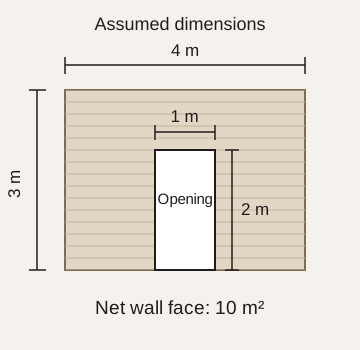
Net wall-face area = width × height − opening area.
(4 m × 3 m) − (1 m × 2 m) = 10 m²
This is an assumed arithmetic example, not a supply quantity. Keep the dimensioned drawing with the area so openings and returns remain clear. Confirm the sheet format, orientation, cut layout and replacement spares before fixing quantity; one waste allowance will not fit every layout.
Review custom-size and cutting inputsReview flexible stone pricing inputs · Send your project scope for a quote
Where it is considered
Flexible stone is commonly evaluated for interior feature surfaces and selected project cladding. Suitability is not universal: exposure, substrate and required performance must be checked for the exact series.
Hotels and hospitality
Retail and restaurants
Offices and reception areas
Residential feature walls
Renovation concepts
Project-specific cladding
The three commercial series organise the sales catalogue. The six finish directions are discovery paths by appearance, not six additional sales series. A product can appear under a relevant look while belonging to one series. Use the product reference and its series when recording a sample selection.
Start with a reference image or finish direction and mark the product code as undecided. Through the sample request page, share the intended wall application, area, substrate and project location. Compare current physical samples, then record the selected product reference, colour and format before confirming an order.
Only for project-approved exterior wall cladding. Confirm the exact product, substrate, adhesive, edge and joint details, exposure and required project documents before specifying it.
Start with the design reference and project conditions, then review physical samples. Colour, texture scale, lighting and sheet layout should be approved together.
Scroll the table horizontally to see all columns.
| Item | Why we need it | Example format |
|---|---|---|
| Product and sample reference | Identify the finish to quote or the sample shortlist | Product link and colour; or image marked undecided |
| Wall and area | Show openings, returns and quantity scope | Dimensioned drawing and net area in m² |
| Application and substrate | Review wall conditions and installation requirements | Wall photos; interior or exterior needing approval |
| Format and layout | Confirm sheet orientation and cutting requirements | Preferred format, grain direction and joint details |
| Destination and packing | Define supply and freight scope | City/country or port and labelling requirements |
| Project documents and timing | Review available files and the requested schedule | Required-document list and target date |
We reply within 24 hours.
Send your project detailsSelection guidance updated 18 October 2026 using the current catalogue structure and the sample and quotation workflows. Images are appearance references; diagrams explain orientation and area arithmetic. Dimensions and performance data belong to the selected product and should be requested with its sample reference.
ASTM C1583/C1583M-25 describes direct-tension testing of concrete surfaces, repair materials and overlays. Its public scope informs the need to assess the substrate. The project team selects applicable tests and acceptance criteria for the chosen assembly.
Request a sample shortlist or send the project details for a supply quotation.